
Granitul este un tip de rocă magmatică extrasă pentru rezistența, densitatea, durabilitatea și rezistența sa extremă la coroziune. Dar granitul este, de asemenea, foarte versatil - nu este doar pentru pătrate și dreptunghiuri! De fapt, lucrăm cu încredere cu componente din granit proiectate în forme, unghiuri și curbe de toate variațiile, în mod regulat - cu rezultate excelente.
Prin prelucrarea noastră de ultimă generație, suprafețele tăiate pot fi excepțional de plane. Aceste calități fac din granit materialul ideal pentru a crea baze de mașini și componente metrologice la dimensiuni și design personalizate. Granitul este:
■ prelucrabil mecanic
■ perfect plat după tăiere și finisare
■ rezistent la rugină
■ durabil
■ de lungă durată
Componentele din granit sunt, de asemenea, ușor de curățat. Atunci când creați modele personalizate, asigurați-vă că alegeți granitul pentru beneficiile sale superioare.
STANDARDE / APLICAȚII CU UZURĂ RIDICATĂ
Granitul utilizat de ZHHIMG pentru produsele noastre standard cu plăci de suprafață are un conținut ridicat de cuarț, ceea ce oferă o rezistență mai mare la uzură și deteriorare. Culorile noastre Superior Black au rate scăzute de absorbție a apei, reducând la minimum posibilitatea ca indicatoarele de precizie să ruginească în timpul fixării pe plăci. Culorile granitului oferite de ZHHIMG au ca rezultat mai puțină strălucire, ceea ce înseamnă mai puțină oboseală a ochilor pentru persoanele care utilizează plăcile. Am ales tipurile noastre de granit luând în considerare dilatarea termică, în efortul de a menține acest aspect la un nivel minim.
APLICAȚII PERSONALIZATE
Când aplicația dumneavoastră necesită o placă cu forme personalizate, inserții filetate, caneluri sau alte prelucrări, veți dori să selectați un material precum Black Jinan Black. Acest material natural oferă o rigiditate superioară, o amortizare excelentă a vibrațiilor și o prelucrabilitate îmbunătățită.
Este important de menționat că, în sine, culoarea nu este o indicație a calităților fizice ale pietrei. În general, culoarea granitului este direct legată de prezența sau absența mineralelor, care pot să nu aibă nicio influență asupra calităților care fac ca un material bun pentru plăci de suprafață. Există granite roz, gri și negre care sunt excelente pentru plăci de suprafață, precum și granite negre, gri și roz care sunt total nepotrivite pentru aplicații de precizie. Caracteristicile critice ale granitului, în ceea ce privește utilizarea sa ca material pentru plăci de suprafață, nu au nicio legătură cu culoarea și sunt următoarele:
■ Rigiditate (deformare sub sarcină - indicată de modulul de elasticitate)
■ Duritate
■ Densitate
■ Rezistență la uzură
■ Stabilitate
■ Porozitate
Am testat numeroase materiale din granit și le-am comparat. În cele din urmă, am obținut rezultatul că granitul negru Jinan este cel mai bun material pe care l-am cunoscut vreodată. Granitul negru indian și granitul sud-african sunt similare cu granitul negru Jinan, dar proprietățile lor fizice sunt inferioare celor ale granitului negru Jinan. ZHHIMG va continua să caute mai multe materiale din granit în lume și să le compare proprietățile fizice.
Pentru a discuta mai multe despre granitul potrivit pentru proiectul dumneavoastră, vă rugăm să ne contactați.info@zhhimg.com.
Diferiți producători folosesc standarde diferite. Există multe standarde în lume.
Standardul DIN, ASME B89.3.7-2013 sau Specificația federală GGG-P-463c (Plăci de suprafață din granit) și așa mai departe, ca bază pentru specificațiile lor.
Și putem fabrica plăci de inspecție de precizie din granit conform cerințelor dumneavoastră. Vă rugăm să ne contactați dacă doriți să aflați mai multe informații despre mai multe standarde.
Planeitatea poate fi considerată ca fiind toate punctele de pe suprafață cuprinse în două plane paralele, planul de bază și planul acoperișului. Măsurarea distanței dintre plane reprezintă planeitatea generală a suprafeței. Această măsurătoare de planeitate are de obicei o toleranță și poate include o denumire a gradului.
De exemplu, toleranțele de planeitate pentru trei clase standard sunt definite în specificațiile federale, determinate prin următoarea formulă:
■ AA de calitate de laborator = (40 + diagonala la pătrat/25) x 0,000001" (unilateral)
■ Grad de inspecție A = Grad de laborator AA x 2
■ Calitatea B pentru camera de scule = Calitatea de laborator AA x 4.
Pentru plăcile de suprafață de dimensiuni standard, garantăm toleranțe de planeitate care depășesc cerințele acestei specificații. Pe lângă planeitate, ASME B89.3.7-2013 și specificația federală GGG-P-463c abordează subiecte precum: precizia măsurătorilor repetate, proprietățile materialelor granitelor pentru plăcile de suprafață, finisajul suprafeței, amplasarea punctului de susținere, rigiditatea, metodele acceptabile de inspecție, instalarea inserțiilor filetate etc.
Plăcile de suprafață și plăcile de inspecție din granit ZHHIMG îndeplinesc sau depășesc toate cerințele stabilite în această specificație. În prezent, nu există o specificație definitorie pentru plăcile de unghi, paralelele sau echerele principale din granit.
Și puteți găsi formulele pentru alte standarde înDESCĂRCAȚI.
În primul rând, este important să mențineți placa curată. Praful abraziv în suspensie este de obicei cea mai mare sursă de uzură a unei plăci, deoarece are tendința de a se încrusta în piesele de lucru și în suprafețele de contact ale calibrelor. În al doilea rând, acoperiți placa pentru a o proteja de praf și deteriorări. Durata de viață a plăcii poate fi prelungită prin acoperirea plăcii atunci când nu este utilizată, prin rotirea periodică a plăcii, astfel încât o singură zonă să nu fie utilizată excesiv și prin înlocuirea plăcuțelor de contact din oțel de pe calibre cu plăcuțe din carbură. De asemenea, evitați să așezați alimente sau băuturi răcoritoare pe placă. Rețineți că multe băuturi răcoritoare conțin acid carbonic sau fosforic, care poate dizolva mineralele mai moi și poate lăsa mici gropițe la suprafață.
Acest lucru depinde de modul în care este utilizată placa. Dacă este posibil, recomandăm curățarea plăcii la începutul zilei (sau a turei de lucru) și din nou la sfârșit. Dacă placa se murdărește, în special cu fluide uleioase sau lipicioase, probabil că trebuie curățată imediat.
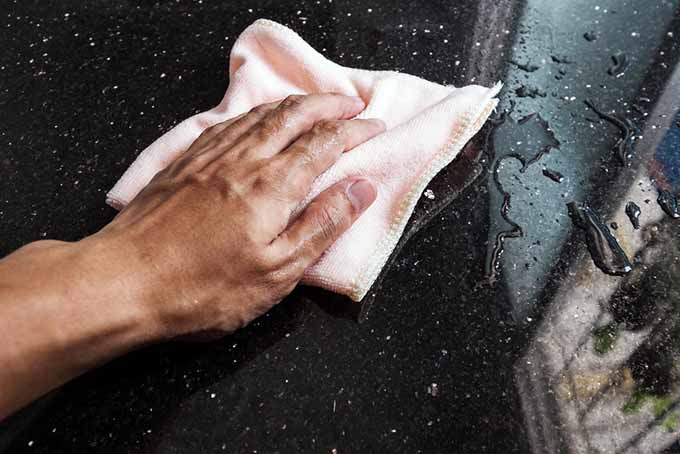
Curățați placa în mod regulat cu un detergent lichid sau cu soluție de curățare fără apă ZHHIMG pentru plăci. Alegerea soluțiilor de curățare este importantă. Dacă se utilizează un solvent volatil (acetonă, diluant de lac, alcool etc.), evaporarea va răci suprafața și o va deforma. În acest caz, este necesar să lăsați placa să se normalizeze înainte de utilizare, altfel vor apărea erori de măsurare.
Timpul necesar pentru normalizarea plăcii va varia în funcție de dimensiunea acesteia și de gradul de răcire. O oră ar trebui să fie suficientă pentru plăcile mai mici. Două ore pot fi necesare pentru plăcile mai mari. Dacă se folosește un detergent pe bază de apă, va exista și o oarecare răcire prin evaporare.
Placa va reține și apa, iar acest lucru ar putea cauza ruginirea pieselor metalice care intră în contact cu suprafața. Unele produse de curățare vor lăsa, de asemenea, un reziduu lipicios după ce se usucă, care va atrage praful din aer și, de fapt, va crește uzura, în loc să o reducă.
Acest lucru depinde de utilizarea plăcii și de mediu. Recomandăm ca o placă nouă sau un accesoriu de precizie pentru granit să fie recalibrat complet în termen de un an de la achiziție. Dacă placa de granit va fi utilizată intens, poate fi recomandabil să scurtați acest interval la șase luni. Inspecția lunară pentru erori de măsurare repetate, utilizând o nivelă electronică sau un dispozitiv similar, va evidenția orice uzură în curs de dezvoltare și durează doar câteva minute. După ce rezultatele primei recalibrări sunt determinate, intervalul de calibrare poate fi extins sau scurtat, în funcție de cum este permis sau necesar de sistemul dumneavoastră intern de calitate.
Vă putem oferi servicii pentru a vă ajuta să inspectați și să calibrați placa de granit.

Există mai multe cauze posibile pentru variațiile dintre calibrări:
- Suprafața a fost spălată cu o soluție caldă sau rece înainte de calibrare și nu i s-a acordat suficient timp pentru normalizare.
- Placa este susținută necorespunzător
- Schimbarea temperaturii
- Schițe
- Lumină directă a soarelui sau altă sursă de căldură radiantă pe suprafața plăcii. Asigurați-vă că iluminatul de deasupra nu încălzește suprafața.
- Variațiile gradientului vertical de temperatură între iarnă și vară (Dacă este posibil, cunoașteți temperatura gradientului vertical în momentul efectuării calibrării.)
- Plăcuța nu a avut suficient timp pentru a se normaliza după expediere
- Utilizarea necorespunzătoare a echipamentelor de inspecție sau utilizarea echipamentelor necalibrate
- Modificarea suprafeței cauzată de uzură
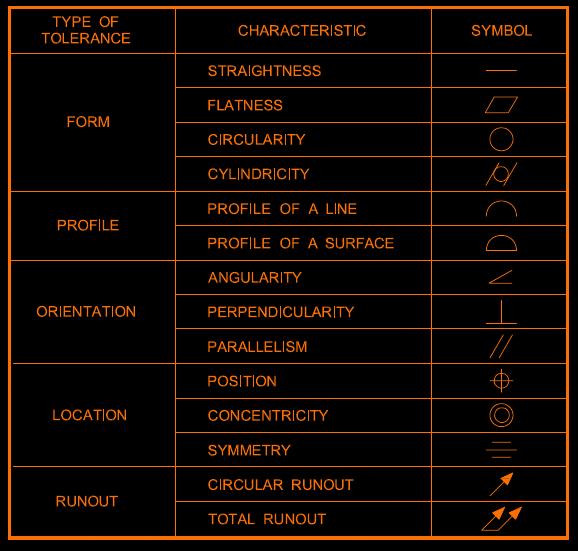
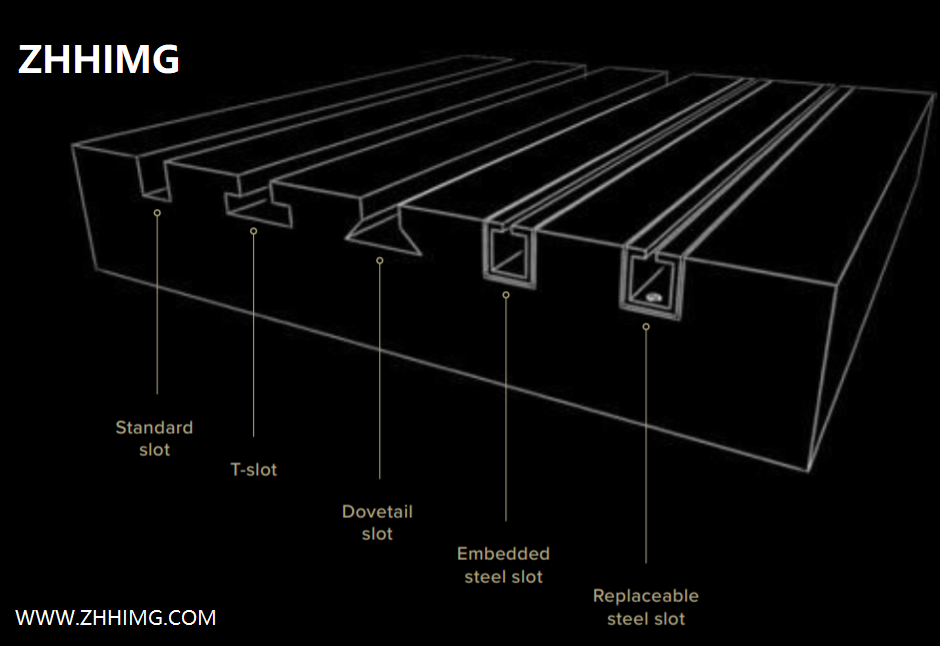
Câte tipuri de găuri există pe granitul de precizie?
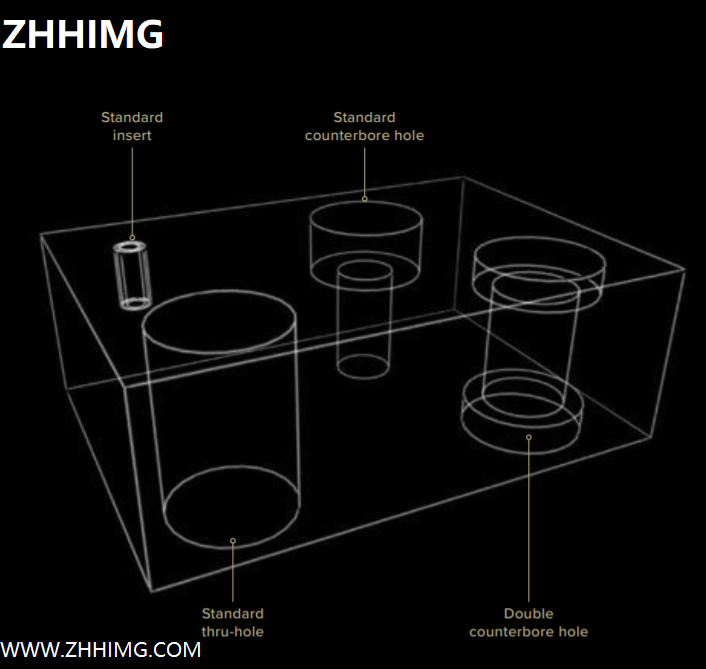
Sloturi pe componente de granit de precizie
Multe fabrici, săli de inspecție și laboratoare utilizează plăcile de granit de precizie ca bază pentru măsurători precise. Deoarece fiecare măsurare liniară depinde de o suprafață de referință precisă de pe care se iau dimensiunile finale, plăcile de suprafață oferă cel mai bun plan de referință pentru inspecția lucrărilor și amplasarea acestora înainte de prelucrare. De asemenea, sunt baze ideale pentru efectuarea măsurătorilor de înălțime și calibrarea suprafețelor. În plus, gradul ridicat de planeitate, stabilitate, calitate generală și manoperă le fac o alegere bună pentru montarea unor sisteme sofisticate de calibrare mecanică, electronică și optică. Pentru oricare dintre aceste procese de măsurare, este imperativ să se mențină calibrate plăcile de suprafață.
Măsurători repetate și planeitate
Atât planeitatea, cât și măsurătorile repetate sunt esențiale pentru a asigura o suprafață precisă. Planeitatea poate fi considerată ca fiind toate punctele de pe suprafață conținute în două plane paralele, planul de bază și planul acoperișului. Măsurarea distanței dintre plane reprezintă planeitatea generală a suprafeței. Această măsurătoare de planeitate are de obicei o toleranță și poate include o denumire a gradului.
Toleranțele de planeitate pentru trei clase standard sunt definite în specificațiile federale, determinate prin următoarea formulă:
Standard DIN, standard GB, standard ASME, standard JJS... diferite țări cu standuri diferite...
Mai multe detalii despre standard.
Pe lângă planeitate, trebuie asigurată și repetabilitatea. O măsurare repetată este o măsurare a zonelor de planeitate locală. Este o măsurare efectuată oriunde pe suprafața unei plăci care se va repeta în limitele toleranței specificate. Controlul planeității zonei locale la o toleranță mai strictă decât planeitatea generală garantează o modificare treptată a profilului de planeitate al suprafeței, reducând astfel la minimum erorile locale.
Pentru a se asigura că o placă de suprafață îndeplinește atât specificațiile de planeitate, cât și cele de repetare a măsurătorilor, producătorii de plăci de suprafață din granit ar trebui să utilizeze Specificația Federală GGG-P-463c ca bază pentru specificațiile lor. Acest standard abordează precizia repetarii măsurătorilor, proprietățile materialelor plăcii de suprafață din granit, finisajul suprafeței, amplasarea punctului de susținere, rigiditatea, metodele acceptabile de inspecție și instalarea inserțiilor filetate.
Verificarea preciziei plăcii
Urmând câteva instrucțiuni simple, o investiție într-o placă de granit ar trebui să dureze mulți ani. În funcție de utilizarea plăcii, mediul de lucru din atelier și precizia necesară, frecvența verificării preciziei plăcii variază. O regulă generală este ca o placă nouă să primească o recalibrare completă în termen de un an de la achiziție. Dacă placa este utilizată frecvent, este recomandabil să se scurteze acest interval la șase luni.
Înainte ca o placă de suprafață să se uzeze dincolo de specificațiile privind planeitatea generală, aceasta va prezenta stâlpi uzați sau ondulați. Inspecția lunară pentru erori de măsurare repetată folosind un calibru cu citire repetitivă va identifica punctele de uzură. Un calibru cu citire repetitivă este un instrument de înaltă precizie care detectează erorile locale și poate fi afișat pe un amplificator electronic cu mărire mare.
Un program de inspecție eficient ar trebui să includă verificări regulate cu un autocolimator, oferind o calibrare reală a planeității generale, trasabilă conform Institutului Național de Standarde și Tehnologie (NIST). Calibrarea completă de către producător sau o companie independentă este necesară din când în când.
Variații între calibrări
În unele cazuri, există variații între calibrările plăcilor de suprafață. Uneori, factori precum modificarea suprafeței rezultate din uzură, utilizarea incorectă a echipamentelor de inspecție sau utilizarea echipamentelor necalibrate pot explica aceste variații. Cei doi factori cei mai comuni sunt însă temperatura și suportul.
Una dintre cele mai importante variabile este temperatura. De exemplu, suprafața ar fi putut fi spălată cu o soluție fierbinte sau rece înainte de calibrare și nu i s-ar fi acordat suficient timp pentru a se normaliza. Alte cauze ale schimbării temperaturii includ curenții de aer rece sau cald, lumina directă a soarelui, iluminatul de deasupra sau alte surse de căldură radiantă pe suprafața plăcii.
De asemenea, pot exista variații ale gradientului vertical de temperatură între iarnă și vară. În unele cazuri, plăcii nu i se acordă suficient timp pentru a se normaliza după expediere. Este o idee bună să se înregistreze temperatura gradientului vertical în momentul efectuării calibrării.
O altă cauză frecventă a variației calibrării este o placă care este susținută necorespunzător. O placă de suprafață ar trebui să fie susținută în trei puncte, ideal amplasate la 20% din lungime față de capetele plăcii. Două suporturi ar trebui să fie situate la 20% din lățime față de laturile lungi, iar suportul rămas ar trebui să fie centrat.
Doar trei puncte se pot sprijini solid pe orice suprafață, cu excepția unei suprafețe de precizie. Încercarea de a susține placa în mai mult de trei puncte va face ca aceasta să primească sprijin din diverse combinații de trei puncte, care nu vor fi aceleași trei puncte pe care a fost sprijinită în timpul producției. Acest lucru va introduce erori, deoarece placa se îndoaie pentru a se conforma noului aranjament de susținere. Luați în considerare utilizarea suporturilor din oțel cu grinzi de susținere proiectate să se alinieze cu punctele de susținere corespunzătoare. Suporturile pentru acest scop sunt în general disponibile de la producătorul plăcii de suprafață.
Dacă placa este susținută corespunzător, nivelarea precisă este necesară numai dacă o aplicație specifică acest lucru. Nivelarea nu este necesară pentru a menține precizia unei plăci susținute corespunzător.
Prelungește durata de viață a plăcii
Respectarea câtorva instrucțiuni va reduce uzura unei plăci de granit și, în cele din urmă, îi va prelungi durata de viață.
În primul rând, este important să mențineți placa curată. Praful abraziv din aer este de obicei cea mai mare sursă de uzură a unei plăci, deoarece are tendința de a se încrusta în piesele de prelucrat și în suprafețele de contact ale calibrelor.
De asemenea, este important să acoperiți plăcile pentru a le proteja de praf și deteriorări. Durata de viață a plăcii poate fi prelungită prin acoperirea acesteia atunci când nu este utilizată.
Rotiți placa periodic, astfel încât o singură zonă să nu fie utilizată excesiv. De asemenea, se recomandă înlocuirea plăcuțelor de contact din oțel de pe aparatele de măsurare cu plăcuțe din carbură.
Evitați să puneți mâncare sau băuturi răcoritoare în farfurie. Multe băuturi răcoritoare conțin fie acid carbonic, fie acid fosforic, care poate dizolva mineralele mai moi și poate lăsa mici gropițe la suprafață.
Unde să recidivezi
Când o placă de granit necesită o refacere a suprafeței, luați în considerare dacă acest serviciu trebuie efectuat la fața locului sau la unitatea de calibrare. Este întotdeauna preferabil ca placa să fie refinisată la fabrică sau la o unitate dedicată. Totuși, dacă placa nu este prea uzată, în general în limita a 0,001 inch față de toleranța necesară, aceasta poate fi refinisată la fața locului. Dacă o placă este uzată până la punctul în care este în afara toleranței cu mai mult de 0,001 inch sau dacă este grav corodată sau crăpată, atunci trebuie trimisă la fabrică pentru șlefuire înainte de refinisare.
O instalație de calibrare are echipamentul și setările din fabrică care oferă condițiile optime pentru calibrarea corectă a plăcii și pentru refacerea acesteia, dacă este necesar.
Se recomandă o mare atenție la alegerea unui tehnician pentru calibrarea și refacerea suprafețelor la fața locului. Solicitați acreditarea și verificați dacă echipamentul pe care îl va folosi tehnicianul are o calibrare trasabilă. Experiența este, de asemenea, un factor important, deoarece este nevoie de mulți ani pentru a învăța cum să lepuiți corect granitul de precizie.
Măsurătorile critice încep cu o placă de granit de precizie ca punct de referință. Prin asigurarea unei referințe fiabile prin utilizarea unei plăci de suprafață calibrate corespunzător, producătorii au unul dintre instrumentele esențiale pentru măsurători fiabile și piese de calitate superioară.Q
Listă de verificare pentru variațiile de calibrare
1. Suprafața a fost spălată cu o soluție caldă sau rece înainte de calibrare și nu i s-a acordat suficient timp pentru normalizare.
2. Placa este susținută necorespunzător.
3. Schimbarea temperaturii.
4. Schițe.
5. Lumină directă a soarelui sau altă sursă de căldură radiantă pe suprafața plăcii. Asigurați-vă că iluminatul de deasupra nu încălzește suprafața.
6. Variații ale gradientului vertical de temperatură între iarnă și vară. Dacă este posibil, cunoașteți temperatura gradientului vertical în momentul efectuării calibrării.
7. Plăcuța nu a avut suficient timp să se normalizeze după expediere.
8. Utilizarea necorespunzătoare a echipamentelor de inspecție sau utilizarea echipamentelor necalibrate.
9. Modificarea suprafeței cauzată de uzură.
Sfaturi tehnice
- Deoarece fiecare măsurare liniară depinde de o suprafață de referință precisă de la care se iau dimensiunile finale, plăcile de suprafață oferă cel mai bun plan de referință pentru inspecția și amplasarea lucrărilor înainte de prelucrare.
- Controlul planeității locale la o toleranță mai strictă decât planeitatea generală garantează o modificare treptată a profilului de planeitate al suprafeței, reducând astfel la minimum erorile locale.
- Un program de inspecție eficient ar trebui să includă verificări regulate cu un autocolimator, asigurând o calibrare reală a planeității generale, trasabilă conform Autorității Naționale de Inspecție.
Printre particulele minerale care alcătuiesc granitul, peste 90% sunt feldspat și cuarț, dintre care feldspatul este cel mai des întâlnit. Feldspatul este adesea alb, gri și roșu-căprui, iar cuarțul este în mare parte incolor sau alb-cenușiu, acestea constituind culoarea de bază a granitului. Feldspatul și cuarțul sunt minerale dure și sunt dificil de îndepărtat cu un cuțit de oțel. În ceea ce privește petele întunecate din granit, în principal mica neagră, există și alte minerale. Deși biotitul este relativ moale, capacitatea sa de a rezista la stres nu este slabă și, în același timp, există o cantitate mică în granit, adesea sub 10%. Aceasta este condiția materială în care granitul este deosebit de rezistent.
Un alt motiv pentru care granitul este rezistent este faptul că particulele sale minerale sunt strâns legate între ele și sunt încorporate unele în altele. Porii reprezintă adesea mai puțin de 1% din volumul total al rocii. Acest lucru conferă granitului capacitatea de a rezista la presiuni puternice și nu este ușor penetrat de umiditate.
Componentele din granit sunt fabricate din piatră fără rezistență la rugină, acid și alcali, cu o bună rezistență la uzură și o durată lungă de viață, fără întreținere specială. Componentele de precizie din granit sunt utilizate în principal în industria utilajelor. Prin urmare, acestea sunt numite componente de precizie din granit sau componente din granit. Caracteristicile componentelor de precizie din granit sunt practic aceleași cu cele ale platformelor din granit. Introducere în prelucrarea și măsurarea componentelor de precizie din granit: Prelucrarea de precizie și tehnologia de microprelucrare sunt direcții importante de dezvoltare ale industriei producătoare de mașini și au devenit un indicator important pentru măsurarea nivelului de înaltă tehnologie. Dezvoltarea tehnologiei de ultimă generație și a industriei de apărare este inseparabilă de tehnologia de prelucrare de precizie și microprelucrare. Componentele din granit pot fi alunecate ușor în măsurare, fără stagnare. Măsurarea suprafeței de lucru, zgârieturile generale nu afectează precizia măsurării. Componentele din granit trebuie proiectate și produse în conformitate cu cerințele cererii.
Domeniu de aplicare:
După cum știm cu toții, tot mai multe mașini și echipamente aleg componente de precizie din granit.
Componentele din granit sunt utilizate pentru mișcare dinamică, motoare liniare, CMM, CNC, mașini laser...
Vă rugăm să ne contactați pentru mai multe informații.
Dispozitivele de măsurare a granitului și componentele mecanice din granit sunt fabricate din granit negru Jinan de înaltă calitate. Datorită preciziei ridicate, duratei lungi de viață, stabilității bune și rezistenței la coroziune, acestea sunt din ce în ce mai utilizate în inspecția produselor în industria modernă și în domenii științifice precum mecanica aerospațială și cercetările științifice.
Avantaje
----De două ori mai dur decât fonta;
----Modificările minime ale dimensiunii se datorează schimbărilor de temperatură;
----Fără stoarcere, deci nu există întrerupere a lucrului;
---- Fără bavuri sau proeminențe datorită structurii cu granulație fină și a aderenței nesemnificative, ceea ce asigură un grad ridicat de planeitate pe o durată lungă de viață și nu provoacă daune altor piese sau instrumente;
---- Funcționare fără probleme pentru utilizarea cu materiale magnetice;
---- Durată lungă de viață și fără rugină, rezultând costuri reduse de întreținere.
Plăcile de granit de precizie sunt lepuite cu precizie la standarde înalte de planeitate pentru a obține acuratețe și sunt utilizate ca bază pentru montarea sistemelor sofisticate de măsurare mecanică, electronică și optică.
Câteva dintre caracteristicile unice ale plăcii de suprafață din granit:
Uniformitate în duritate;
Precizie sub sarcină;
Absorbant de vibrații;
Ușor de curățat;
Rezistent la înfășurare;
Porozitate redusă;
Non-abraziv;
Non-magnetic
Avantajele plăcii de suprafață din granit
În primul rând, roca, după o perioadă lungă de îmbătrânire naturală, are o structură uniformă, un coeficient minim, tensiunea internă dispare complet și nu se deformează, astfel încât precizia este ridicată.
În al doilea rând, nu vor exista zgârieturi, nu în condiții de temperatură constantă, la temperatura camerei se poate menține și precizia măsurării temperaturii.
În al treilea rând, nu există magnetizare, măsurarea poate fi o mișcare lină, fără senzație de scârțâit, nu este afectată de umiditate, planul este fix.
În patru rânduri, rigiditatea este bună, duritatea este mare, rezistența la abraziune este puternică.
Cinci, nu se teme de acid, eroziunea lichidelor alcaline, nu ruginește, nu trebuie să vopsească ulei, nu este ușor de lipit micro-praf, întreținere, ușor de întreținut, durată lungă de viață.
De ce să alegeți o bază din granit în loc de o bază de mașină din fontă?
1. Baza mașinii din granit poate menține o precizie mai mare decât baza mașinii din fontă. Baza mașinii din fontă este ușor afectată de temperatură și umiditate, dar baza mașinii din granit nu;
2. Având aceeași dimensiune a bazei mașinii din granit și a bazei din fontă, baza mașinii din granit este mai rentabilă decât cea din fontă;
3. Baza mașinii din granit special este mai ușor de finisat decât baza mașinii din fontă.
Plăcile de granit pentru suprafețe sunt instrumente cheie în laboratoarele de inspecție din întreaga țară. Suprafața calibrată și extrem de plană a unei plăci de suprafață permite inspectorilor să le utilizeze ca bază pentru inspecțiile pieselor și calibrarea instrumentelor. Fără stabilitatea oferită de plăcile de suprafață, multe dintre piesele cu toleranțe stricte din diverse domenii tehnologice și medicale ar fi mult mai dificil, dacă nu chiar imposibil, de fabricat corect. Desigur, pentru a utiliza un bloc de granit pentru calibrarea și inspectarea altor materiale și unelte, trebuie evaluată precizia granitului în sine. Utilizatorii pot calibra o placă de granit pentru a-i asigura acuratețea.
Curățați placa de suprafață din granit înainte de calibrare. Turnați o cantitate mică de soluție de curățare a plăcii de suprafață pe o cârpă curată și moale și ștergeți suprafața granitului. Ștergeți imediat soluția de curățare de pe placa de suprafață cu o cârpă uscată. Nu lăsați lichidul de curățare să se usuce la aer.
Așezați un calibru de măsurare repetitivă în centrul plăcii de granit.
Ajustați calibrul de măsurare repetitivă la zero la suprafața plăcii de granit.
Mișcați încet instrumentul pe suprafața granitului. Urmăriți indicatorul instrumentului și înregistrați vârfurile oricăror variații de înălțime pe măsură ce mișcați instrumentul pe placă.
Comparați variația planeității pe suprafața plăcii cu toleranțele pentru placa dvs. de suprafață, care variază în funcție de dimensiunea plăcii și de gradul de planeitate al granitului. Consultați specificația federală GGG-P-463c (vezi Resurse) pentru a determina dacă placa dvs. îndeplinește cerințele de planeitate pentru dimensiunea și gradul său. Variația dintre cel mai înalt punct de pe placă și cel mai jos punct de pe placă este măsurarea planeității sale.
Verificați dacă cele mai mari variații de adâncime de pe suprafața plăcii se încadrează în specificațiile de repetabilitate pentru o placă de dimensiunea și gradul respectiv. Consultați specificația federală GGG-P-463c (vezi Resurse) pentru a determina dacă placa dumneavoastră îndeplinește cerințele de repetabilitate pentru dimensiunea sa. Respingeți placa de suprafață dacă chiar și un singur punct nu îndeplinește cerințele de repetabilitate.
Nu mai folosiți o placă de granit care nu îndeplinește cerințele federale. Returnați placa producătorului sau unei companii de acoperire cu granit pentru a lustrui din nou blocul pentru a respecta specificațiile.
Sfat
Efectuați calibrări oficiale cel puțin o dată pe an, deși plăcile de granit utilizate intens ar trebui calibrate mai frecvent.
Calibrarea formală, înregistrabilă, în mediile de fabricație sau inspecție este adesea efectuată de către un departament de asigurare a calității sau de un furnizor extern de servicii de calibrare, deși oricine poate utiliza un calibru de măsurare repetitivă pentru a verifica informal o placă de suprafață înainte de utilizare.
Istoria timpurie a plăcilor de suprafață din granit
Înainte de al Doilea Război Mondial, producătorii foloseau plăci de oțel pentru inspecția dimensională a pieselor. În timpul celui de-al Doilea Război Mondial, nevoia de oțel a crescut dramatic, iar multe plăci de oțel au fost topite. A fost nevoie de înlocuire, iar granitul a devenit materialul preferat datorită proprietăților sale metrologice superioare.
Au devenit evidente mai multe avantaje ale granitului față de oțel. Granitul este mai dur, deși mai fragil și predispus la ciobire. Granitul poate fi lepuit până la o planeitate mult mai mare și mai rapid decât oțelul. Granitul are, de asemenea, proprietatea dorită de a avea o dilatare termică mai mică în comparație cu oțelul. În plus, dacă o placă de oțel necesita reparații, aceasta trebuia răzuită manual de către meșteri care își aplicau și abilitățile în reconstrucția mașinilor-unelte.
Ca o notă suplimentară, unele plăci de suprafață din oțel sunt încă în uz astăzi.
Proprietățile metrologice ale plăcilor de granit
Granitul este o rocă magmatică formată prin erupții vulcanice. Prin comparație, marmura este calcar metamorfozat. Pentru utilizare metrologică, granitul selectat trebuie să îndeplinească cerințele specifice descrise în Specificația Federală GGG-P-463c, denumită de acum înainte Specificații Federale, și mai exact, Partea 3.1 3.1 Printre Specificațiile Federale, granitul trebuie să aibă o textură cu granulație fină până la medie.
Granitul este un material dur, dar duritatea sa variază din mai multe motive. Un tehnician experimentat în prelucrarea plăcilor de granit poate estima duritatea după culoarea sa, care este o indicație a conținutului de cuarț. Duritatea granitului este o proprietate definită parțial de cantitatea de cuarț conținută și de lipsa micei. Granitele roșu și roz tind să fie cele mai dure, cele gri au o duritate medie, iar cele negre sunt cele mai moi.
Modulul de elasticitate al lui Young este folosit pentru a exprima flexibilitatea sau indicarea durității pietrei. Granitul roz are o medie de 3-5 puncte pe scală, griurile 5-7 puncte, iar negrele 7-10 puncte. Cu cât numărul este mai mic, cu atât granitul tinde să fie mai dur. Cu cât numărul este mai mare, cu atât granitul este mai moale și mai flexibil. Este important să cunoașteți duritatea granitului atunci când alegeți grosimea necesară pentru gradele de toleranță și greutatea pieselor și a calibrelor plasate pe acesta.
Pe vremuri, când existau mecanici adevărați, cunoscuți după broșurile cu tabele trigonometrice din buzunarele cămășilor, granitul negru era considerat „Cel mai bun”. Cel mai bun era definit ca tipul care oferea cea mai mare rezistență la uzură sau era mai dur. Un dezavantaj este că granitele mai dure tind să se ciobească sau să se zdrobească mai ușor. Mecanicii erau atât de convinși că granitul negru era cel mai bun, încât unii producători de granit roz îl vopseau în negru.
Am fost martor personal la o placă scăpată de pe un motostivuitor când era mutată din depozit. Placa a lovit podeaua și s-a rupt în două, dezvăluind adevărata culoare roz. Aveți grijă dacă intenționați să cumpărați granit negru din China. Vă recomandăm să vă irosiți banii în alt mod. O placă de granit poate varia în duritate în cadrul ei. O dungă de cuarț poate fi mult mai dură decât restul plăcii de suprafață. Un strat de gabro negru poate face o zonă mult mai moale. Un tehnician de reparații a plăcilor de suprafață bine instruit și experimentat știe cum să se ocupe de aceste zone moi.
Gradele plăcii de suprafață
Există patru clase de plăci de suprafață. Clasa de laborator AA și A, Clasa de inspecție în cameră B, iar a patra este Clasa de atelier. Clasele AA și A sunt cele mai plate, cu toleranțe de planeitate mai bune de 0,00001 in pentru o placă de Clasa AA. Clasele de atelier sunt cele mai puțin plate și, așa cum sugerează și numele, sunt destinate utilizării în sălile de scule. În timp ce Clasele AA, Clasa A și Clasa B sunt destinate utilizării într-un laborator de inspecție sau control al calității.
PTestarea roper pentru calibrarea plăcii de suprafață
Întotdeauna le-am spus clienților mei că pot scoate orice copil de 10 ani din biserica mea și să-l învăț în doar câteva zile cum să testeze o farfurie. Nu este greu. Necesită o anumită tehnică pentru a îndeplini sarcina rapid, tehnici pe care le înveți în timp și multă repetiție. Ar trebui să vă informez, și nu pot sublinia îndeajuns, că Fed Spec GGG-P-463c NU ESTE o procedură de calibrare! Mai multe despre asta mai târziu.
Calibrarea planității generale (Mean Pane) și a verificărilor repetabilității (uzură localizată) este obligatorie, conform specificațiilor Fed. Singura excepție de la această regulă o reprezintă plăcile mici, unde este necesară doar repetabilitatea.
De asemenea, la fel de important ca celelalte teste, este testul pentru gradienți termici. (Vezi Delta T mai jos)
Figura 1
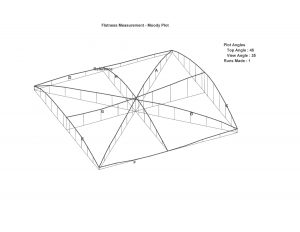
Testarea planității are 4 metode aprobate. nivele electronice, autocolimație, laser și un dispozitiv cunoscut sub numele de localizator de plan. Folosim nivele electronice doar pentru că sunt cea mai precisă și rapidă metodă din mai multe motive.
Laserele și autocolimatoarele folosesc un fascicul de lumină foarte drept ca referință. Se face o măsurare a rectilinietății unei plăci de granit comparând variația distanței dintre placa de granit și fasciculul de lumină. Prin plasarea unui fascicul de lumină drept pe o țintă reflectorizantă în timp ce se mișcă ținta reflectorizantă în josul plăcii de granit, distanța dintre fasciculul emis și fasciculul de întoarcere este o măsurare a rectilinietății.
Iată problema acestei metode. Ținta și sursa sunt afectate de vibrații, temperatura ambiantă, o țintă neplată sau zgâriată, contaminarea aerului și mișcarea aerului (curenți). Toate acestea contribuie la componente suplimentare de eroare. În plus, contribuția erorii operatorului din verificările cu un autocolimator este mai mare.
Un utilizator experimentat de autocolimator poate face măsurători foarte precise, dar se confruntă în continuare cu probleme legate de consecvența citirilor, în special pe distanțe mai lungi, deoarece reflexiile tind să se lărgească sau să devină ușor neclare. De asemenea, o țintă mai puțin plată și o zi lungă de observare prin lentilă produc erori suplimentare.
Un dispozitiv de localizare a planului este pur și simplu absurd. Acest dispozitiv folosește ca referință o rază de lumină oarecum dreaptă (în comparație cu o rază de lumină colimată sau laser extrem de dreaptă). Nu numai că dispozitivul mecanic folosește un indicator cu o rezoluție normală de doar 20 µm, dar lipsa de rectitudinii barei și materialele diferite contribuie semnificativ la erorile de măsurare. În opinia noastră, deși metoda este acceptabilă, niciun laborator competent nu ar folosi vreodată un dispozitiv de localizare a planului ca instrument de inspecție finală.
Nivelele electronice folosesc gravitația ca referință. Nivelele electronice diferențiale nu sunt afectate de vibrații. Au o rezoluție de până la 0,1 secundă de arc, iar măsurătorile sunt rapide și precise, iar un operator experimentat contribuie foarte puțin la erori. Nici localizatoarele de plan, nici autocolimatoarele nu oferă grafice topografice (Figura 1) sau izometrice (Figura 2) ale suprafeței, generate de computer.
Figura 2
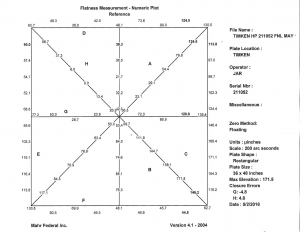
Testul de planeitate corectă a suprafeței
Testul de planeitate corectă a suprafeței este o parte atât de importantă a acestei lucrări încât ar fi trebuit să o plasez la început. După cum am menționat anterior, specificația federală GGG-p-463c NU ESTE o metodă de calibrare. Aceasta servește drept ghid pentru multe aspecte ale granitului de grad metrologic al cărui cumpărător țintă este orice agenție guvernamentală federală, inclusiv metodele de testare și toleranțele sau gradele. Dacă un antreprenor susține că a respectat specificațiile federale, atunci valoarea de planeitate va fi determinată prin metoda Moody.
Moody era un tip din anii '50 care a conceput o metodă matematică pentru a determina planeitatea generală și a explica orientarea liniilor testate, dacă acestea sunt suficient de apropiate în același plan. Nimic nu s-a schimbat. Allied Signal a încercat să îmbunătățească metoda matematică, dar a concluzionat că diferențele erau atât de mici încât nu merita efortul.
Dacă un antreprenor specializat în plăci de suprafață folosește nivele electronice sau laser, folosește un computer pentru a se ajuta cu calculele. Fără asistență computerizată, tehnicianul care folosește autocolimația trebuie să calculeze citirile manual. În realitate, nu o fac. Durează prea mult și, sincer, poate fi prea dificil. Într-un test de planeitate folosind metoda Moody, tehnicianul testează opt linii într-o configurație Union Jack pentru rectilinie.
Metoda Moody
Metoda Moody este o metodă matematică de a determina dacă cele opt linii sunt pe același plan. În caz contrar, aveți doar 8 linii drepte care pot fi sau nu pe sau în apropierea aceluiași plan. În plus, un contractor care pretinde că respectă specificațiile Fed și folosește autocolimația, el...necesitatesă genereze opt pagini de date. O pagină pentru fiecare linie verificată pentru a dovedi testarea, repararea sau ambele. Altfel, antreprenorul nu are nicio idee care este valoarea reală a planeității.
Sunt sigur că, dacă sunteți unul dintre cei care își calibrează plăcile de către un contractor folosind autocolimația, nu ați văzut niciodată acele pagini! Figura 3 este un exemplu dedoar unulO pagină din opt este necesară pentru a calcula planeitatea generală. O indicație a acestei ignoranțe și răutăți este dacă raportul dvs. conține numere rotunjite. De exemplu, 200, 400, 650 etc. O valoare calculată corect este un număr real. De exemplu, 325,4 u In. Când antreprenorul folosește metoda de calcul Moody, iar tehnicianul calculează valorile manual, ar trebui să primiți opt pagini de calcule și un grafic izometric. Graficul izometric arată înălțimile variabile de-a lungul diferitelor linii și distanța care separă punctele de intersecție selectate.
Figura 3(Sunt necesare opt pagini de acest gen pentru a calcula manual planeitatea. Asigurați-vă că întrebați de ce nu primiți acest rezultat dacă antreprenorul dvs. folosește autocolimația!)
Figura 4
Tehnicienii specializați în ecartamente dimensionale folosesc nivele diferențiale (Figura 4) ca dispozitive preferate pentru a măsura modificările minuscule ale angularității de la o stație de măsurare la alta. Nivelele au o rezoluție de până la 0,1 secunde de arc (5 µm folosind o sanie de 4″), sunt extrem de stabile, nu sunt afectate de vibrații, distanțele măsurate, curenții de aer, oboseala operatorului, contaminarea aerului sau oricare dintre problemele inerente altor dispozitive. Adăugați asistența computerului, iar sarcina devine relativ rapidă, generând grafice topografice și izometrice care dovedesc verificarea și, cel mai important, repararea.
Un test de repetabilitate adecvat
Citirea repetată sau repetabilitatea este cel mai important test. Echipamentul pe care îl folosim pentru a efectua testul de repetabilitate este un dispozitiv de citire repetată, un LVDT și un amplificator necesar pentru citiri de înaltă rezoluție. Setăm amplificatorul LVDT la o rezoluție minimă de 10 µm sau 5 µm pentru plăci de înaltă precizie.
Utilizarea unui indicator mecanic cu o rezoluție de doar 20 µm este inutilă dacă încercați să testați o cerință de repetabilitate de 35 µm. Indicatorii au o incertitudine de 40 µm! Configurația de citire repetată imită o configurație de calibru/piesă de măsurare a înălțimii.
Repetabilitatea NU ESTE același lucru cu planeitatea generală (planul mediu). Îmi place să mă gândesc la repetabilitatea granitului ca la o măsurătoare consistentă a razei.
Figura 5
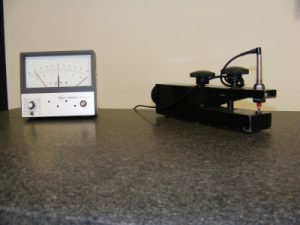
Dacă testați repetabilitatea unei bile rotunde, atunci ați demonstrat că raza bilei nu s-a schimbat. (Profilul ideal al unei plăci reparate corespunzător are o formă convexă și coronată.) Cu toate acestea, este evident că bila nu este plată. Ei bine, cam așa ceva. Pe o distanță extrem de scurtă, este plată. Deoarece majoritatea lucrărilor de inspecție implică un calibru de înălțime foarte aproape de piesă, repetabilitatea devine cea mai critică proprietate a unei plăci de granit. Este mai importantă decât planeitatea generală, cu excepția cazului în care un utilizator verifică liniaritatea unei piese lungi.
Asigurați-vă că antreprenorul efectuează un test de citire repetată. O placă poate avea o citire repetată semnificativ în afara toleranței, dar totuși să treacă un test de planeitate! În mod uimitor, un laborator poate obține acreditare pentru teste care nu includ un test de citire repetată. Un laborator care nu poate repara sau nu este foarte bun la reparații preferă să efectueze doar teste de planeitate. Planeitatea se schimbă rareori decât dacă mutați placa.
Testarea cu citire repetată este cea mai ușoară metodă de testare, dar cea mai dificilă de realizat la suprapunere. Asigurați-vă că antreprenorul poate restabili repetabilitatea fără a „zidi” suprafața sau a lăsa ondulații pe aceasta.
Testul Delta T
Acest test implică măsurarea temperaturii REALE a pietrei la suprafața superioară și la suprafața inferioară și calcularea diferenței, Delta T, pentru raportarea în certificat.
Este important de știut că coeficientul mediu de dilatare termică în granit este de 3,5 uIn/Inch/grad. Efectul temperaturilor ambientale și al umidității asupra unei plăci de granit este neglijabil. Cu toate acestea, o placă de suprafață poate ieși din toleranță sau uneori se poate îmbunătăți chiar dacă se află la un Delta T de 0,3 – 0,5 grade F. Este necesar să se știe dacă Delta T este în limita a 0,12 grade F față de diferența față de ultima calibrare.
De asemenea, este important de știut că suprafața de lucru a unei plăci migrează spre căldură. Dacă temperatura superioară este mai caldă decât cea inferioară, atunci suprafața superioară se ridică. Dacă partea inferioară este mai caldă, ceea ce este rar, atunci suprafața superioară se scufundă. Nu este suficient ca un manager de calitate sau un tehnician să știe că placa este plată și repetabilă în momentul calibrării sau reparației, ci care era Delta T-ul său în momentul testării finale de calibrare. În situații critice, un utilizator poate, măsurând el însuși Delta T, să determine dacă o placă a ieșit din toleranță exclusiv din cauza variațiilor Delta T. Din fericire, granitul are nevoie de multe ore sau chiar zile pentru a se aclimatiza la un mediu. Fluctuațiile minore ale temperaturii ambientale pe parcursul zilei nu îl vor afecta. Din aceste motive, nu raportăm temperatura sau umiditatea ambientală de calibrare, deoarece efectele sunt neglijabile.
Uzura plăcii de granit
Deși granitul este mai dur decât plăcile de oțel, granitul dezvoltă totuși zone adâncite pe suprafață. Mișcarea repetitivă a pieselor și a calibrelor pe suprafața plăcii este cea mai mare sursă de uzură, mai ales dacă aceeași zonă este utilizată constant. Murdăria și praful de șlefuire care rămân pe suprafața unei plăci accelerează procesul de uzură, deoarece acestea ajung între piese sau calibre și suprafața granitului. Atunci când se mișcă piese și calibre pe suprafața sa, praful abraziv este de obicei cauza unei uzuri suplimentare. Recomand insistent curățarea constantă pentru a reduce uzura. Am observat uzură a plăcilor cauzată de livrările zilnice de colete UPS plasate deasupra plăcilor! Aceste zone localizate de uzură afectează citirile testului de repetabilitate a calibrării. Evitați uzura prin curățare regulată.
Curățarea plăcilor de granit
Pentru a menține placa curată, folosiți o lavetă adezivă pentru a îndepărta praful. Apăsați foarte ușor, pentru a nu lăsa reziduuri de lipici. O lavetă adezivă folosită bine adună excelent praful de șlefuire între curățări. Nu lucrați în același loc. Mutați instalația în jurul plăcii, distribuind uzura. Este în regulă să folosiți alcool pentru a curăța o placă, dar rețineți că acest lucru va răci temporar suprafața. Apa cu o cantitate mică de săpun este excelentă. Produsele de curățare disponibile în comerț, cum ar fi detergentul Starrett, sunt, de asemenea, excelente de utilizat, dar asigurați-vă că îndepărtați toate reziduurile de săpun de pe suprafață.
Reparații plăci de granit
Ar trebui să fie evidentă deja importanța asigurării faptului că antreprenorul plăcii de suprafață efectuează o calibrare competentă. Laboratoarele de tip „Clearing House” care oferă programe „Faceți totul cu un singur apel” rareori au un tehnician care poate efectua reparații. Chiar dacă oferă reparații, nu au întotdeauna un tehnician care are experiența necesară atunci când placa de suprafață este semnificativ în afara toleranței.
Dacă vi se spune că o placă nu poate fi reparată din cauza uzurii extreme, sunați-ne. Cel mai probabil putem face reparația.
Tehnicienii noștri au un program de ucenicie de unu până la un an și jumătate sub conducerea unui tehnician maestru plăci de suprafață. Definim un tehnician maestru plăci de suprafață ca fiind o persoană care și-a finalizat ucenicia și are peste zece ani de experiență suplimentară în calibrarea și repararea plăcilor de suprafață. La Dimensional Gauge avem trei tehnicieni maeștri în personal cu peste 60 de ani de experiență combinată. Unul dintre tehnicienii noștri maeștri este disponibil în orice moment pentru sprijin și îndrumare atunci când apar situații dificile. Toți tehnicienii noștri au experiență în calibrarea plăcilor de suprafață de toate dimensiunile, de la mici la foarte mari, în diverse condiții de mediu, în diferite industrii și în probleme majore de uzură.
Specificațiile Fed au o cerință specifică de finisare de la 16 la 64 de rugozitate aritmetică medie (AA). Preferăm un finisaj în intervalul 30-35 AA. Rugozitatea este suficientă pentru a asigura că piesele și calibrele se mișcă lin și nu se lipesc sau se răsucesc de placa de suprafață.
Când reparăm, inspectăm placa pentru a verifica dacă este montată și nivelată corect. Folosim o metodă de lepuire uscată, dar în cazurile de uzură extremă care necesită îndepărtarea substanțială a granitului, o folosim prin lepuire umedă. Tehnicienii noștri curăță după ei înșiși, sunt minuțioși, rapizi și preciși. Acest lucru este important deoarece costul service-ului pentru placa de granit include timpul de nefuncționare și pierderile de producție. O reparație competentă este de o importanță capitală și nu ar trebui să alegeți niciodată un contractor în funcție de preț sau comoditate. Unele lucrări de calibrare necesită persoane înalt calificate. Noi le avem.
Rapoarte finale de calibrare
Pentru fiecare reparare și calibrare a plăcii de suprafață, oferim rapoarte profesionale detaliate. Rapoartele noastre conțin o cantitate semnificativă de informații atât critice, cât și pertinente. Specificațiile Fed. solicită majoritatea informațiilor pe care le-am furnizat. Excluzându-le pe cele conținute în alte standarde de calitate, cum ar fi ISO/IEC-17025, specificațiile Fed. minime pentru rapoarte sunt:
- Dimensiune în picioare (X' x X')
- Culoare
- Stil (Se referă la fără margini de fixare sau două sau patru margini)
- Modulul de elasticitate estimat
- Toleranța planului mediu (determinată de calitate/dimensiune)
- Toleranță la citirea repetată (determinată de lungimea diagonalei în inci)
- Planul mediu așa cum a fost găsit
- Planul mediu în stânga
- Repetați citirea așa cum a fost găsită
- Repetați citirea ca în stânga
- Delta T (Diferența de temperatură dintre suprafețele superioare și inferioare)
Dacă tehnicianul trebuie să efectueze lucrări de lepuire sau reparații la placa de suprafață, atunci certificatul de calibrare este însoțit de o reprezentare topografică sau izometrică pentru a dovedi o reparație validă.
Câteva cuvinte despre acreditările ISO/IEC-17025 și laboratoarele care le dețin
Doar pentru că un laborator este acreditat în calibrarea plăcilor de suprafață nu înseamnă neapărat că știe ce face, cu atât mai puțin că o face corect! Nici nu implică neapărat că laboratorul poate repara. Organismele de acreditare nu fac distincția între verificare și calibrare (reparare).Ași știu unul, poate2organisme de acreditare care vorLcravatăAo panglică în jurul câinelui meu dacă le-aș fi dat suficienți bani! Este un fapt trist. Am văzut laboratoare care au obținut acreditare efectuând doar unul dintre cele trei teste necesare. Mai mult, am văzut laboratoare care au obținut acreditare cu incertitudini nerealiste și au fost acreditate fără nicio dovadă sau demonstrație a modului în care au calculat valorile. Este regretabil.
Sumare
Nu puteți subestima rolul plăcilor de granit de precizie. Referința plană pe care o oferă plăcile de granit este fundația pe care faceți toate celelalte măsurători.
Puteți utiliza cele mai moderne, mai precise și mai versatile instrumente de măsurare. Cu toate acestea, măsurătorile precise sunt greu de asigurat dacă suprafața de referință nu este plană. Odată, un potențial client mi-a spus: „Ei bine, e doar piatră!”. Răspunsul meu a fost: „OK, ai dreptate și cu siguranță nu poți justifica venirea unor experți pentru întreținerea plăcilor de suprafață.”
Prețul nu este niciodată un motiv bun pentru a alege antreprenori specializați în plăci de granit. Cumpărătorii, contabilii și un număr îngrijorător de mare de ingineri de calitate nu înțeleg întotdeauna că recertificarea plăcilor de granit nu este ca recertificarea unui micrometru, a unui șubler sau a unui multimetru digital.
Unele instrumente necesită expertiză, nu un preț scăzut. După toate acestea, tarifele noastre sunt foarte rezonabile. Mai ales pentru că aveți încredere că efectuăm lucrarea corect. Depășim cu mult cerințele ISO-17025 și ale Specificațiilor Federale în ceea ce privește valoarea adăugată.
Plăcile de suprafață sunt fundamentul pentru multe măsurători dimensionale, iar îngrijirea corespunzătoare a plăcii de suprafață este necesară pentru a asigura acuratețea măsurătorii.
Granitul este cel mai popular material utilizat pentru plăcile de suprafață datorită caracteristicilor sale fizice ideale, cum ar fi duritatea suprafeței și sensibilitatea redusă la fluctuațiile de temperatură. Cu toate acestea, utilizarea continuă a plăcilor de suprafață se uzează.
Planeitatea și repetabilitatea sunt ambele aspecte critice pentru a determina dacă o placă oferă sau nu o suprafață precisă pentru obținerea unor măsurători exacte. Toleranțele pentru ambele aspecte sunt definite în Specificația Federală GGG-P-463C, DIN, GB, JJS... Planeitatea este măsurarea distanței dintre cel mai înalt punct (planul acoperișului) și cel mai jos punct (planul bazei) de pe placă. Repetabilitatea determină dacă o măsurătoare efectuată dintr-o zonă poate fi repetată pe întreaga placă în limitele toleranței specificate. Acest lucru asigură că nu există vârfuri sau văi în placă. Dacă citirile nu se încadrează în limitele specificate, atunci poate fi necesară refacerea suprafeței pentru a readuce măsurătorile în specificații.
Calibrarea de rutină a plăcilor de suprafață este necesară pentru a asigura planeitatea și repetabilitatea în timp. Grupul de măsurare de precizie de la Cross este acreditat ISO 17025 pentru calibrarea planeității și repetabilității plăcilor de suprafață. Utilizăm Sistemul de Certificare a Plăcilor de Suprafață Mahr, care include:
- Analiza stării de spirit și a profilului,
- Grafice izometrice sau numerice,
- Media rundelor multiple și
- Notare automată conform standardelor industriei.
Modelul asistat de calculator Mahr determină orice abatere unghiulară sau liniară de la nivelul absolut și este ideal pentru profilarea de înaltă precizie a plăcilor de suprafață.
Intervalele dintre calibrări vor varia în funcție de frecvența de utilizare, de condițiile de mediu în care se află placa și de cerințele specifice de calitate ale companiei dumneavoastră. Întreținerea corespunzătoare a plăcii de suprafață poate permite intervale mai lungi între fiecare calibrare, vă ajută să evitați costul suplimentar al refacerii suprafeței și, cel mai important, asigură că măsurătorile obținute pe placă sunt cât mai precise posibil. Deși plăcile de suprafață par robuste, acestea sunt instrumente de precizie și ar trebui tratate ca atare. Iată câteva lucruri de luat în considerare cu privire la îngrijirea plăcilor de suprafață:
- Păstrați farfuria curată și, dacă este posibil, acoperiți-o atunci când nu este folosită.
- Nimic nu trebuie așezat pe placă în afară de calibre sau piese care urmează să fie măsurate.
- Nu folosiți același loc pe farfurie de fiecare dată.
- Dacă este posibil, rotiți placa periodic.
- Respectați limita de încărcare a farfuriei dumneavoastră
Baza de granit de precizie poate îmbunătăți performanțele mașinilor-unelte
Cerințele sunt în continuă creștere în ingineria mecanică în general și în construcția de mașini-unelte în special. Obținerea unor valori maxime de precizie și performanță fără creșterea costurilor reprezintă provocări constante pentru competitivitate. Bancul mașinii-unelte este un factor decisiv aici. Prin urmare, tot mai mulți producători de mașini-unelte se bazează pe granit. Datorită parametrilor săi fizici, acesta oferă avantaje clare care nu pot fi obținute cu oțel sau beton polimeric.
Granitul este o așa-numită rocă vulcanică profundă și are o structură foarte densă și omogenă, cu un coeficient de dilatare extrem de scăzut, conductivitate termică scăzută și amortizare ridicată a vibrațiilor.
Mai jos veți descoperi de ce opinia comună conform căreia granitul este potrivit în principal doar ca bază pentru mașinile de măsurat în coordonate de înaltă performanță este de mult depășită și de ce acest material natural, ca bază pentru mașini-unelte, este o alternativă foarte avantajoasă la oțel sau fontă, chiar și pentru mașinile-unelte de înaltă precizie.
Putem produce componente din granit pentru mișcare dinamică, componente din granit pentru motoare liniare, componente din granit pentru NDT, componente din granit pentru radiografie, componente din granit pentru CMM, componente din granit pentru CNC, componente din granit de precizie pentru laser, componente din granit pentru industria aerospațială, componente din granit pentru platforme de precizie...
Valoare adăugată ridicată fără costuri suplimentare
Utilizarea tot mai mare a granitului în ingineria mecanică nu se datorează atât creșterii masive a prețului oțelului. Mai degrabă, deoarece valoarea adăugată pentru mașina-unealtă obținută cu un banc de mașină din granit este posibilă cu costuri suplimentare foarte mici sau deloc. Acest lucru este dovedit de comparațiile de costuri ale producătorilor de mașini-unelte renumiți din Germania și Europa.
Câștigul considerabil în ceea ce privește stabilitatea termodinamică, amortizarea vibrațiilor și precizia pe termen lung, posibil datorită granitului, nu poate fi obținut cu un pat de prelucrare din fontă sau oțel sau doar cu un cost relativ ridicat. De exemplu, erorile termice pot reprezenta până la 75% din eroarea totală a unei mașini, compensarea fiind adesea încercată prin software - cu succes moderat. Datorită conductivității sale termice scăzute, granitul este cea mai bună bază pentru precizia pe termen lung.
Cu o toleranță de 1 μm, granitul îndeplinește cu ușurință cerințele de planeitate conform DIN 876 pentru gradul de precizie 00. Cu o valoare de 6 pe scara de duritate de la 1 la 10, este extrem de dur, iar cu o greutate specifică de 2,8 g/cm³ atinge aproape valoarea aluminiului. Acest lucru are ca rezultat și avantaje suplimentare, cum ar fi viteze de avans mai mari, accelerații ale axelor mai mari și o prelungire a duratei de viață a sculei pentru mașinile-unelte așchietoare. Astfel, trecerea de la un pat de turnare la un pat de mașină din granit mută mașina-unealtă în cauză în clasa superioară în ceea ce privește precizia și performanța - fără costuri suplimentare.
Amprenta ecologică îmbunătățită a granitului
Spre deosebire de materiale precum oțelul sau fonta, piatra naturală nu trebuie produsă cu multă energie și folosind aditivi. Sunt necesare doar cantități relativ mici de energie pentru exploatare și tratarea suprafețelor. Acest lucru are ca rezultat o amprentă ecologică superioară, care chiar și la sfârșitul duratei de viață a unei mașini o depășește pe cea a oțelului ca material. Patul de granit poate fi baza unei mașini noi sau poate fi utilizat în scopuri complet diferite, cum ar fi mărunțirea pentru construcția de drumuri.
Nici nu există lipsă de resurse pentru granit. Este o rocă formată în adâncul scoarței terestre, din magma acesteia. S-a „maturizat” timp de milioane de ani și este disponibilă în cantități foarte mari ca resursă naturală pe aproape toate continentele, inclusiv în toată Europa.
Concluzie: Numeroasele avantaje demonstrabile ale granitului în comparație cu oțelul sau fonta justifică disponibilitatea tot mai mare a inginerilor mecanici de a utiliza acest material natural ca bază pentru mașini-unelte de înaltă precizie și performanță. Informații detaliate despre proprietățile granitului, care sunt avantajoase pentru mașini-unelte și inginerie mecanică, pot fi găsite în acest articol suplimentar.
O măsurare repetată este o măsurare a zonelor de planeitate locală. Specificația de măsurare repetată prevede că o măsurare efectuată oriunde pe suprafața unei plăci se va repeta în limitele toleranței specificate. Controlul planeității zonei locale mai strict decât planeitatea generală garantează o modificare treptată a profilului de planeitate al suprafeței, reducând astfel la minimum erorile locale.
Majoritatea producătorilor, inclusiv mărcile importate, respectă Specificațiile Federale privind toleranțele generale de planeitate, dar mulți trec cu vederea măsurătorile repetate. Multe dintre plăcile ieftine sau ieftine disponibile pe piață astăzi nu garantează măsurători repetate. Un producător care nu garantează măsurători repetate NU produce plăci care îndeplinesc cerințele ASME B89.3.7-2013 sau ale Specificațiilor Federale GGG-P-463c, sau DIN 876, GB, JJS...
Ambele sunt esențiale pentru a asigura o suprafață precisă pentru măsurători exacte. Specificația de planeitate nu este suficientă pentru a garanta acuratețea măsurătorii. Luați ca exemplu o placă de suprafață de inspecție de gradul A de 36 X 48, care îndeplinește DOAR specificația de planeitate de 0,000300". Dacă piesa verificată acoperă mai multe vârfuri, iar calibrul utilizat se află într-un punct jos, eroarea de măsurare ar putea fi toleranța completă într-o singură zonă, 0,000300"! De fapt, poate fi mult mai mare dacă calibrul se află pe panta unei înclinări.
Sunt posibile erori de 0,000600"-0,000800", în funcție de severitatea pantei și de lungimea brațului calibrului utilizat. Dacă această placă ar avea o specificație de măsurare repetată de 0,000050" FIR, atunci eroarea de măsurare ar fi mai mică de 0,000050", indiferent de locul în care se face măsurarea pe placă. O altă problemă, care apare de obicei atunci când un tehnician necalificat încearcă să refacă suprafața unei plăci la fața locului, este utilizarea exclusivă a măsurătorilor repetate pentru a certifica o placă.
Instrumentele folosite pentru verificarea repetabilității NU sunt concepute pentru a verifica planeitatea generală. Când sunt setate la zero pe o suprafață perfect curbată, acestea vor continua să citească zero, indiferent dacă suprafața este perfect plană, perfect concavă sau convexă 1/2"! Ele verifică pur și simplu uniformitatea suprafeței, nu planeitatea. Doar o placă care îndeplinește atât specificația de planeitate, cât și specificația de măsurare repetată îndeplinește cu adevărat cerințele ASME B89.3.7-2013 sau Specificația Federală GGG-P-463c.
Ask us about or flatness specification and repeat measurement promise by calling +86 19969991659 or emailing INFO@ZHHIMG.COM
Da, dar acestea pot fi garantate doar pentru un anumit gradient vertical de temperatură. Efectele dilatării termice asupra plăcii ar putea provoca cu ușurință o modificare a preciziei mai mare decât toleranța dacă există o modificare a gradientului. În unele cazuri, dacă toleranța este suficient de strânsă, căldura absorbită de iluminatul de deasupra capului poate provoca o modificare suficientă a gradientului pe parcursul a mai multor ore.
Granitul are un coeficient de dilatare termică de aproximativ 0,0000035 inci pe inch per 1°F. De exemplu: o placă de suprafață de 36" x 48" x 8" are o precizie de 0,000075" (1/2 din Gradul AA) la un gradient de 0°F, partea superioară și cea inferioară au aceeași temperatură. Dacă partea superioară a plăcii se încălzește până la punctul în care este cu 1°F mai caldă decât partea inferioară, precizia se va schimba la 0,000275" convexă! Prin urmare, comandarea unei plăci cu o toleranță mai strictă decât Gradul AA de Laborator ar trebui luată în considerare numai dacă există un control climatic adecvat.
O placă de suprafață ar trebui să fie sprijinită în 3 puncte, ideal amplasate la 20% din lungime față de capetele plăcii. Două suporturi ar trebui să fie situate la 20% din lățime față de laturile lungi, iar suportul rămas ar trebui să fie centrat. Doar 3 puncte se pot sprijini solid pe orice suprafață, cu excepția unei suprafețe de precizie.
Placa trebuie susținută în aceste puncte în timpul producției și trebuie susținută doar în aceste trei puncte în timpul utilizării. Încercarea de a susține placa în mai mult de trei puncte va face ca aceasta să primească sprijin din diverse combinații de trei puncte, care nu vor fi aceleași 3 puncte pe care a fost susținută în timpul producției. Acest lucru va introduce erori, deoarece placa se deformează pentru a se conforma noului aranjament de susținere. Toate suporturile din oțel zhhimg au grinzi de susținere proiectate să se alinieze cu punctele de susținere corespunzătoare.
Dacă placa este susținută corespunzător, nivelarea precisă este necesară numai dacă aplicația dumneavoastră o impune. Nivelarea nu este necesară pentru a menține precizia unei plăci susținute corespunzător.
De ce să alegeți granitul pentruBaze de mașinişiComponente de metrologie?
Răspunsul este „da” pentru aproape fiecare aplicație. Avantajele granitului includ: lipsa ruginii sau coroziunii, aproape imun la deformare, lipsa cocoașei compensatoare la crestături, durată de viață mai lungă la uzură, acțiune mai lină, precizie mai mare, practic nemagnetic, coeficient de dilatare termică scăzut și costuri de întreținere reduse.
Granitul este un tip de rocă magmatică extrasă pentru rezistența, densitatea, durabilitatea și rezistența sa extremă la coroziune. Dar granitul este, de asemenea, foarte versatil - nu este doar pentru pătrate și dreptunghiuri! De fapt, Starrett Tru-Stone lucrează cu încredere cu componente din granit proiectate în forme, unghiuri și curbe de toate variațiile, în mod regulat - cu rezultate excelente.
Prin prelucrarea noastră de ultimă generație, suprafețele tăiate pot fi excepțional de plane. Aceste calități fac din granit materialul ideal pentru a crea baze de mașini și componente metrologice la dimensiuni și design personalizate. Granitul este:
prelucrabil
exact plat după tăiere și finisare
rezistent la rugină
durabil
de lungă durată
Componentele din granit sunt, de asemenea, ușor de curățat. Atunci când creați modele personalizate, asigurați-vă că alegeți granitul pentru beneficiile sale superioare.
STANDARDE/ APLICAȚII CU UZURĂ RIDICATĂ
Granitul utilizat de ZhongHui pentru produsele noastre standard cu plăci de suprafață are un conținut ridicat de cuarț, ceea ce oferă o rezistență mai mare la uzură și deteriorare. Culorile noastre Negru Superior și Roz Cristal au rate scăzute de absorbție a apei, reducând la minimum posibilitatea ca indicatoarele de precizie să ruginească în timpul fixării pe plăci. Culorile granitului oferite de ZhongHui au ca rezultat mai puțină strălucire, ceea ce înseamnă mai puțină oboseală a ochilor pentru persoanele care utilizează plăcile. Am ales tipurile noastre de granit luând în considerare dilatarea termică, în efortul de a menține acest aspect la un nivel minim.
APLICAȚII PERSONALIZATE
Când aplicația dumneavoastră necesită o placă cu forme personalizate, inserții filetate, caneluri sau alte prelucrări, veți dori să selectați un material precum Black Diabase. Acest material natural oferă o rigiditate superioară, o amortizare excelentă a vibrațiilor și o prelucrabilitate îmbunătățită.
Da, dacă nu sunt uzate prea tare. Setările și echipamentele noastre din fabrică permit condițiile optime pentru calibrarea corectă a plăcii și pentru prelucrarea ulterioară, dacă este necesar. În general, dacă o placă se află în limita a 0,001" față de toleranța necesară, aceasta poate fi refinisată la fața locului. Dacă o placă este uzată până la punctul în care este în afara toleranței cu mai mult de 0,001" sau dacă este grav corodată sau crăpată, atunci va trebui trimisă la fabrică pentru rectificare înainte de refacere.
Trebuie acordată o atenție deosebită alegerii unui tehnician de calibrare și refacere a suprafețelor la fața locului. Vă îndemnăm să fiți precauți în alegerea serviciului de calibrare. Solicitați acreditarea și verificați dacă echipamentul pe care îl va utiliza tehnicianul are o calibrare trasabilă de către Institutul Național de Inspecție. Este nevoie de mulți ani pentru a învăța cum să lepuiți corect granitul de precizie.
ZhongHui oferă o execuție rapidă a calibrărilor efectuate în fabrica noastră. Trimiteți plăcile pentru calibrare, dacă este posibil. Calitatea și reputația dumneavoastră depind de acuratețea instrumentelor de măsurare, inclusiv a plăcilor de suprafață!
Plăcile noastre negre au o densitate semnificativ mai mare și sunt de până la trei ori mai rigide. Prin urmare, o placă realizată din material negru nu trebuie să fie la fel de groasă ca o placă de granit de aceeași dimensiune pentru a avea o rezistență la deformare egală sau mai mare. Grosimea redusă înseamnă o greutate mai mică și costuri de transport mai mici.
Atenție la cei care folosesc granit negru de calitate inferioară, cu aceeași grosime. După cum s-a menționat mai sus, proprietățile granitului, precum cele ale lemnului sau metalului, variază în funcție de material și culoare și nu reprezintă un indicator precis al rigidității, durității sau rezistenței la uzură. De fapt, multe tipuri de granit negru și diabază sunt foarte moi și nu sunt potrivite pentru aplicații pe plăci de suprafață.
Nu. Echipamentul specializat și instruirea necesare pentru refacerea acestor articole impun returnarea lor la fabrică pentru calibrare și refacere.
Da. Ceramica și granitul au caracteristici similare, iar metodele folosite pentru calibrarea și lepuirea granitului pot fi folosite și în cazul articolelor ceramice. Ceramica este mai dificil de lepuit decât granitul, rezultând un cost mai mare.
Da, cu condiția ca inserțiile să fie încastrate sub suprafață. Dacă inserțiile de oțel sunt la același nivel cu sau deasupra planului suprafeței, acestea trebuie să fie rectificate în jos înainte ca placa să poată fi suprapusă. Dacă este necesar, putem oferi acest serviciu.
Da. Plăcuțele filetate din oțel cu filet dorit (englez sau metric) pot fi lipite cu rășină epoxidică în placă în locațiile dorite. ZhongHui utilizează mașini CNC pentru a oferi cele mai strânse locații ale plăcuțelor filetate cu o marjă de +/- 0,005”. Pentru plăcuțe mai puțin critice, toleranța noastră de poziționare pentru plăcuțele filetate este de ±,060”. Alte opțiuni includ bare în T din oțel și caneluri în coadă de rândunică prelucrate direct în granit.
Inserțiile lipite corespunzător folosind rășină epoxidică de înaltă rezistență și o manoperă bună vor rezista la o forță mare de torsiune și forfecare. Într-un test recent, folosind inserții filetate de 3/8"-16, un laborator independent de testare a măsurat forța necesară pentru a trage o inserție lipită cu rășină epoxidică de pe o placă de suprafață. Au fost testate zece plăci. Dintre aceste zece, în nouă cazuri, granitul s-a fracturat primul. Sarcina medie la punctul de rupere a fost de 10.020 lbs. pentru granitul gri și 12.310 lbs. pentru cel negru. În singurul caz în care o inserție s-a desprins de placă, sarcina la punctul de rupere a fost de 12.990 lbs.! Dacă o piesă de prelucrat formează o punte peste inserție și se aplică un cuplu extrem, este posibil să se genereze suficientă forță pentru a fractura granitul. Parțial din acest motiv, ZhongHui oferă îndrumări pentru cuplul maxim sigur care poate fi aplicat inserțiilor lipite cu rășină epoxidică: https://www.zhhimg.com/standard-thread-inserts-product/
Da, dar numai la fabrica noastră. La uzina noastră, putem restaura aproape orice placă la starea „ca nouă”, de obicei pentru mai puțin de jumătate din costul înlocuirii acesteia. Marginile deteriorate pot fi reparate cosmetic, canelurile adânci, crestăturile și gropile pot fi șlefuite, iar suporturile atașate pot fi înlocuite. În plus, putem modifica placa dumneavoastră pentru a-i crește versatilitatea prin adăugarea de inserții solide sau filetate din oțel și fante de tăiere sau buze de prindere, conform specificațiilor dumneavoastră.
De ce să alegeți granitul?
Granitul este un tip de rocă magmatică formată pe Pământ acum milioane de ani. Compoziția rocii magmatice conținea multe minerale, cum ar fi cuarțul, care este extrem de dur și rezistent la uzură. Pe lângă duritate și rezistență la uzură, granitul are un coeficient de dilatare de aproximativ jumătate din cel al fontei. Deoarece greutatea sa volumetrică este de aproximativ o treime din cea a fontei, granitul este mai ușor de manevrat.
Pentru bazele mașinilor și componentele metrologice, granitul negru este culoarea cea mai utilizată. Granitul negru are un procent mai mare de cuarț decât alte culori și, prin urmare, este cel mai rezistent la uzură.
Granitul este rentabil, iar suprafețele tăiate pot fi excepțional de plate. Nu numai că poate fi lepuit manual pentru a obține o precizie extremă, dar recondiționarea poate fi efectuată fără a muta placa sau masa în afara șantierului. Este o operațiune de lepuire complet manuală și, în general, costă mult mai puțin decât recondiționarea unei alternative din fontă.
Aceste calități fac din granit materialul ideal pentru a crea baze de mașini și componente metrologice la dimensiuni și design personalizat, cum ar fiplacă de suprafață din granit.
ZhongHui produce produse din granit la comandă, create pentru a îndeplini cerințe specifice de măsurare. Aceste articole la comandă variază de lamargini drepte topătrate trilateraleDatorită naturii versatile a granitului,componentepot fi produse la orice dimensiune necesară; sunt rezistente și durabile.
Avantajele plăcilor de suprafață din granit
Importanța măsurării pe o suprafață plană a fost stabilită de inventatorul britanic Henry Maudsley în anii 1800. Ca inovator în domeniul mașinilor-unelte, el a stabilit că producția constantă de piese necesită o suprafață solidă pentru măsurători fiabile.
Revoluția industrială a creat o cerere pentru suprafețe de măsurare, așa că firma de inginerie Crown Windley a creat standarde de fabricație. Standardele pentru plăcile de suprafață au fost stabilite pentru prima dată de Crown în 1904, folosind metal. Pe măsură ce cererea și costul metalului au crescut, au fost investigate materiale alternative pentru suprafața de măsurare.
În America, creatorul de monumente, Wallace Herman, a stabilit că granitul negru era o alternativă excelentă la metal pentru plăci de suprafață. Deoarece granitul este nemagnetic și nu ruginește, a devenit rapid suprafața de măsurare preferată.
O placă de suprafață din granit este o investiție esențială pentru laboratoare și instalații de testare. O placă de suprafață din granit de 600 x 600 mm poate fi montată pe un suport. Suporturile oferă o înălțime de lucru de 34” (0,86 m) cu cinci puncte reglabile pentru nivelare.
Pentru rezultate de măsurare fiabile și consistente, o placă de granit este crucială. Deoarece suprafața este un plan neted și stabil, aceasta permite manipularea cu atenție a instrumentelor.
Principalele avantaje ale plăcilor de granit sunt:
• Antireflectorizant
• Rezistent la substanțe chimice și coroziune
• Coeficient de dilatare scăzut în comparație cu fonta pentru cărucioare, deci mai puțin afectat de schimbările de temperatură
• Rigiditate naturală și rezistență la uzură
• Planul suprafeței nu este afectat dacă este zgâriat
• Nu ruginește
• Nemagnetic
• Ușor de curățat și întreținut
• Calibrarea și refacerea suprafeței se pot face la fața locului
• Potrivit pentru găurirea inserțiilor filetate de susținere
• Amortizare ridicată a vibrațiilor
Multe ateliere, săli de inspecție și laboratoare utilizează plăcile de suprafață din granit de precizie ca bază pentru măsurători precise. Deoarece fiecare măsurare liniară depinde de o suprafață de referință precisă de la care se iau dimensiunile finale, plăcile de suprafață oferă cel mai bun plan de referință pentru inspecția lucrărilor și trasarea acestora înainte de prelucrare. De asemenea, sunt baze ideale pentru efectuarea măsurătorilor de înălțime și calibrarea suprafețelor. În plus, gradul ridicat de planeitate, stabilitate, calitate generală și manoperă le fac o alegere bună pentru montarea unor sisteme sofisticate de calibrare mecanică, electronică și optică. Pentru oricare dintre aceste procese de măsurare, este imperativ să se mențină calibrate plăcile de suprafață.
Măsurători repetate și planeitate
Atât planeitatea, cât și măsurătorile repetate sunt esențiale pentru a asigura o suprafață precisă. Planeitatea poate fi considerată ca fiind toate punctele de pe suprafață conținute în două plane paralele, planul de bază și planul acoperișului. Măsurarea distanței dintre plane reprezintă planeitatea generală a suprafeței. Această măsurătoare de planeitate are de obicei o toleranță și poate include o denumire a gradului.
Toleranțele de planeitate pentru trei clase standard sunt definite în specificațiile federale, determinate prin următoarea formulă:
AA de calitate de laborator = (40 + diagonal² / 25) x 0,000001 inch (unilateral)
Grad de inspecție A = Grad de laborator AA x 2
Calitatea B pentru camera de scule = Calitatea de laborator AA x 4
Pe lângă planeitate, trebuie asigurată și repetabilitatea. O măsurare repetată este o măsurare a zonelor de planeitate locală. Este o măsurare efectuată oriunde pe suprafața unei plăci care se va repeta în limitele toleranței specificate. Controlul planeității zonei locale la o toleranță mai strictă decât planeitatea generală garantează o modificare treptată a profilului de planeitate al suprafeței, reducând astfel la minimum erorile locale.
Pentru a se asigura că o placă de suprafață îndeplinește atât specificațiile de planeitate, cât și cele de repetare a măsurătorilor, producătorii de plăci de suprafață din granit ar trebui să utilizeze Specificația Federală GGG-P-463c ca bază pentru specificațiile lor. Acest standard abordează precizia repetarii măsurătorilor, proprietățile materialelor granitelor pentru plăci de suprafață, finisajul suprafeței, amplasarea punctului de susținere, rigiditatea, metodele acceptabile de inspecție și instalarea inserțiilor filetate.
Înainte ca o placă de suprafață să se uzeze dincolo de specificațiile privind planeitatea generală, aceasta va prezenta stâlpi uzați sau ondulați. Inspecția lunară pentru erori de măsurare repetată folosind un calibru cu citire repetitivă va identifica punctele de uzură. Un calibru cu citire repetitivă este un instrument de înaltă precizie care detectează erorile locale și poate fi afișat pe un amplificator electronic cu mărire mare.
Verificarea preciziei plăcii
Urmând câteva instrucțiuni simple, o investiție într-o placă de granit ar trebui să dureze mulți ani. În funcție de utilizarea plăcii, mediul de lucru din atelier și precizia necesară, frecvența verificării preciziei plăcii variază. O regulă generală este ca o placă nouă să primească o recalibrare completă în termen de un an de la achiziție. Dacă placa este utilizată frecvent, este recomandabil să se scurteze acest interval la șase luni.
Înainte ca o placă de suprafață să se uzeze dincolo de specificațiile privind planeitatea generală, aceasta va prezenta stâlpi uzați sau ondulați. Inspecția lunară pentru erori de măsurare repetată folosind un calibru cu citire repetitivă va identifica punctele de uzură. Un calibru cu citire repetitivă este un instrument de înaltă precizie care detectează erorile locale și poate fi afișat pe un amplificator electronic cu mărire mare.
Un program de inspecție eficient ar trebui să includă verificări regulate cu un autocolimator, oferind o calibrare reală a planeității generale, trasabilă conform Institutului Național de Standarde și Tehnologie (NIST). Calibrarea completă de către producător sau o companie independentă este necesară din când în când.
Variații între calibrări
În unele cazuri, există variații între calibrările plăcilor de suprafață. Uneori, factori precum modificarea suprafeței rezultate din uzură, utilizarea incorectă a echipamentelor de inspecție sau utilizarea echipamentelor necalibrate pot explica aceste variații. Cei doi factori cei mai comuni sunt însă temperatura și suportul.
Una dintre cele mai importante variabile este temperatura. De exemplu, suprafața ar fi putut fi spălată cu o soluție fierbinte sau rece înainte de calibrare și nu i s-ar fi acordat suficient timp pentru a se normaliza. Alte cauze ale schimbării temperaturii includ curenții de aer rece sau cald, lumina directă a soarelui, iluminatul de deasupra sau alte surse de căldură radiantă pe suprafața plăcii.
De asemenea, pot exista variații ale gradientului vertical de temperatură între iarnă și vară. În unele cazuri, plăcii nu i se acordă suficient timp pentru a se normaliza după expediere. Este o idee bună să se înregistreze temperatura gradientului vertical în momentul efectuării calibrării.
O altă cauză frecventă a variației calibrării este o placă care este susținută necorespunzător. O placă de suprafață ar trebui să fie susținută în trei puncte, ideal amplasate la 20% din lungime față de capetele plăcii. Două suporturi ar trebui să fie situate la 20% din lățime față de laturile lungi, iar suportul rămas ar trebui să fie centrat.
Doar trei puncte se pot sprijini solid pe orice suprafață, cu excepția unei suprafețe de precizie. Încercarea de a susține placa în mai mult de trei puncte va face ca aceasta să primească sprijin din diverse combinații de trei puncte, care nu vor fi aceleași trei puncte pe care a fost sprijinită în timpul producției. Acest lucru va introduce erori, deoarece placa se îndoaie pentru a se conforma noului aranjament de susținere. Luați în considerare utilizarea suporturilor din oțel cu grinzi de susținere proiectate să se alinieze cu punctele de susținere corespunzătoare. Suporturile pentru acest scop sunt în general disponibile de la producătorul plăcii de suprafață.
Dacă placa este susținută corespunzător, nivelarea precisă este necesară numai dacă o aplicație specifică acest lucru. Nivelarea nu este necesară pentru a menține precizia unei plăci susținute corespunzător.
Este important să mențineți placa curată. Praful abraziv în suspensie este de obicei cea mai mare sursă de uzură a unei plăci, deoarece are tendința de a se încrusta în piesele de prelucrat și în suprafețele de contact ale manometrelor. Acoperiți plăcile pentru a le proteja de praf și deteriorări. Durata de viață a plăcii poate fi prelungită prin acoperirea acesteia atunci când nu este utilizată.
Prelungește durata de viață a plăcii
Respectarea câtorva instrucțiuni va reduce uzura unei plăci de granit și, în cele din urmă, îi va prelungi durata de viață.
În primul rând, este important să mențineți placa curată. Praful abraziv în suspensie este de obicei cea mai mare sursă de uzură a unei plăci, deoarece are tendința de a se încrusta în piesele de prelucrat și în suprafețele de contact ale manometrelor.
De asemenea, este important să acoperiți plăcile pentru a le proteja de praf și deteriorări. Durata de viață a plăcii poate fi prelungită prin acoperirea acesteia atunci când nu este utilizată.
Rotiți placa periodic, astfel încât o singură zonă să nu fie utilizată excesiv. De asemenea, se recomandă înlocuirea plăcuțelor de contact din oțel de pe calibre cu plăcuțe din carbură.
Evitați să puneți mâncare sau băuturi răcoritoare în farfurie. Multe băuturi răcoritoare conțin fie acid carbonic, fie acid fosforic, care poate dizolva mineralele mai moi și poate lăsa mici gropițe la suprafață.
Unde să recidivezi
Când o placă de granit necesită o refacere a suprafeței, luați în considerare dacă acest serviciu trebuie efectuat la fața locului sau la unitatea de calibrare. Este întotdeauna preferabil ca placa să fie refinisată la fabrică sau la o unitate dedicată. Totuși, dacă placa nu este prea uzată, în general în limita a 0,001 inch față de toleranța necesară, aceasta poate fi refinisată la fața locului. Dacă o placă este uzată până la punctul în care este în afara toleranței cu mai mult de 0,001 inch sau dacă este grav corodată sau crăpată, atunci trebuie trimisă la fabrică pentru șlefuire înainte de refinisare.
O instalație de calibrare are echipamentul și setările din fabrică care oferă condițiile optime pentru calibrarea corectă a plăcii și pentru refacerea acesteia, dacă este necesar.
Se recomandă o mare atenție la alegerea unui tehnician pentru calibrarea și refacerea suprafețelor la fața locului. Solicitați acreditarea și verificați dacă echipamentul pe care îl va utiliza tehnicianul are o calibrare trasabilă NIST. Experiența este, de asemenea, un factor important, deoarece durează mulți ani pentru a învăța cum să lepuiți corect granitul de precizie.
Măsurătorile critice încep cu o placă de granit de precizie ca punct de referință. Prin asigurarea unei referințe fiabile prin utilizarea unei plăci de suprafață calibrate corespunzător, producătorii au unul dintre instrumentele esențiale pentru măsurători fiabile și piese de calitate superioară.
Listă de verificare pentru variațiile de calibrare
- Suprafața a fost spălată cu o soluție caldă sau rece înainte de calibrare și nu i s-a acordat suficient timp pentru a se normaliza.
- Placa este susținută necorespunzător.
- Schimbarea temperaturii.
- Schițe.
- Lumină directă a soarelui sau altă sursă de căldură radiantă pe suprafața plăcii. Asigurați-vă că iluminatul de deasupra nu încălzește suprafața.
- Variații ale gradientului vertical de temperatură între iarnă și vară. Dacă este posibil, cunoașteți temperatura gradientului vertical în momentul efectuării calibrării.
- Plăcuța nu a avut suficient timp să se normalizeze după expediere.
- Utilizarea necorespunzătoare a echipamentelor de inspecție sau utilizarea echipamentelor necalibrate.
- Modificarea suprafeței cauzată de uzură.
Sfaturi tehnice
Deoarece fiecare măsurare liniară depinde de o suprafață de referință precisă de la care se iau dimensiunile finale, plăcile de suprafață oferă cel mai bun plan de referință pentru inspecția și amplasarea lucrărilor înainte de prelucrare.
Controlul planeității locale la o toleranță mai strictă decât planeitatea generală garantează o modificare treptată a profilului de planeitate al suprafeței, reducând astfel la minimum erorile locale.